
How Blockchain Ticketing Can Reduce Fraud and Scalping: What Sports Teams Are Doing
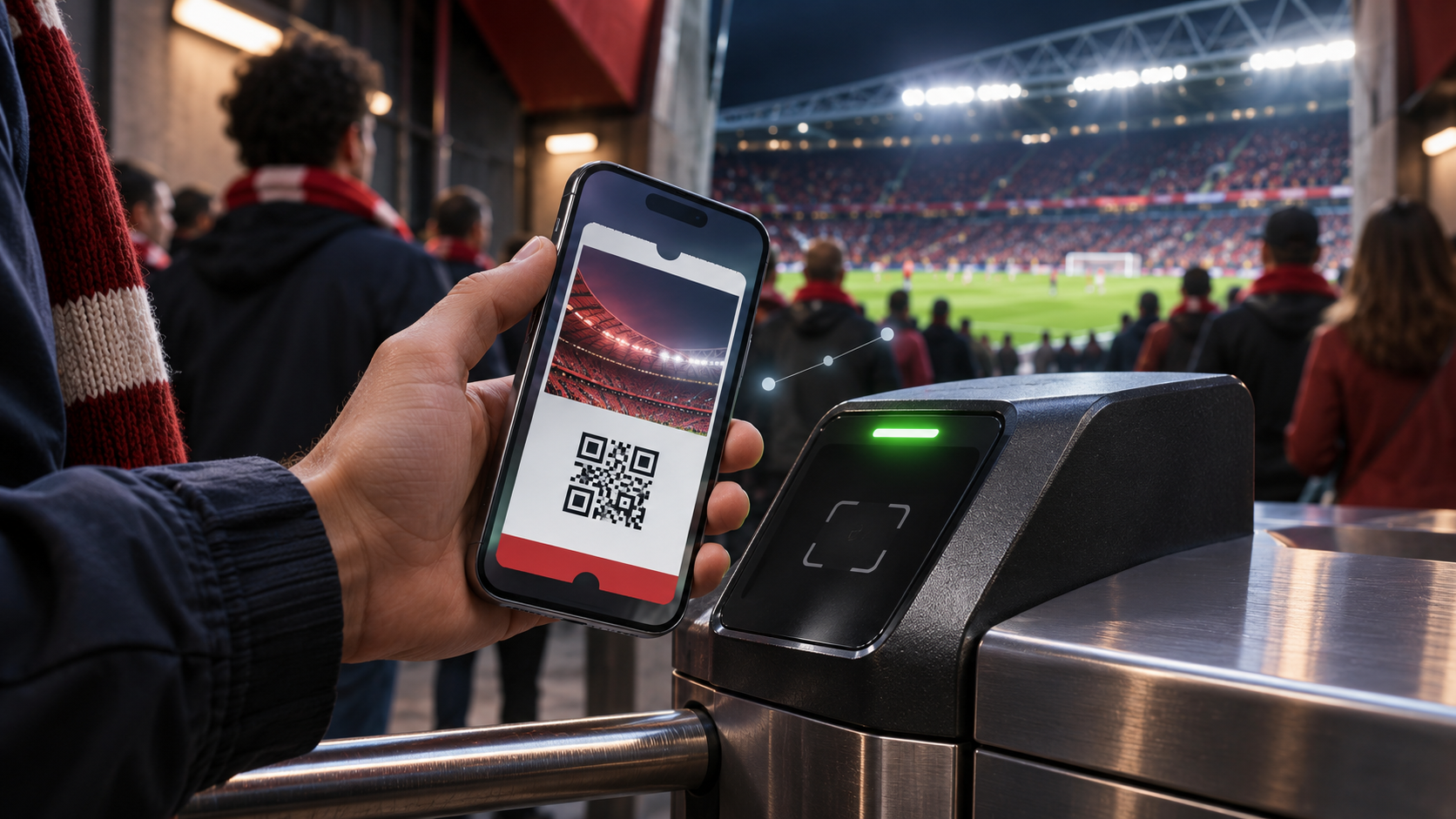
Many sports organizations are testing out blockchain for ticket access, for ticket resale and even for ticket rewards. But the level of protection that these systems offer also depends on how well they are integrated into the overall fan experience when buying, reselling or accessing tickets.
Blockchain ticketing records each ticket, or each right to buy one, as a unique digital token issued by the event organiser. Venues, resale marketplaces and fans can check that a ticket comes from the organiser’s contract and who holds it now, and the organiser can write resale rules into the ticket itself. It does not stop every scam: many frauds happen on social media before a fan ever reaches an official seller.
Sports and live-event organisations are already using this approach. FIFA ran World Cup 2026 ticket access through its own Avalanche L1, NBA, NHL and college teams run fan rewards on Avalanche, and festivals such as EXIT use Avalanche-based smart tickets. Each uses the blockchain for a different job: entry rights, tickets or rewards.
The problem: fake tickets and inflated resale
These scams typically start with tickets advertised on social media, often on Facebook or Instagram, with the buyer asked to pay by bank transfer before receiving anything. According to Lloyds Banking Group data published by the UK Home Office in May 2026, reports of football ticket scams rose 36% between October 2025 and March 2026 compared with the same period a year earlier, with victims losing an average of £215.
On the other hand, ticket scalping has to be tackled in a different manner. While often being linked to ticketing fraud, scalping in itself is merely the resale of valid tickets by third parties at excessive markup. While current digital platforms already implement various measures to attempt to combat both types of ticketing abuse, such as invalidating a sender’s barcode after a successful transfer to the buyer’s account (Ticketmaster), or even fixing a Face Value that other resellers have to adhere to on approved ticket marketplaces for specific events (Ticketmaster’s Face Value Exchange), the question remains as to what additional value a blockchain based ticketing solution could bring to the table.
How blockchain ticketing works
A digital token is issued via a smart contract. These ticketing, resale and venue systems then query the same ownership and transaction history as long as they are connected to the respective network. In addition, it must also be checked whether the ticket originated from the organizer’s contract or whether it comes from another contract with similar ticketing collections.
The manner in which resale rules are put into place within a fan’s ticket purchase experience on blockchain is important too. For example, an event organiser might choose to allow ticket resale on approved marketplaces and within a set time frame. Alternatively, the event organiser might place a cap on the price that can be charged for the resale of a ticket.
These same considerations apply to the connection to admission. The ticket must be verifiable at the time of entry by the venue and must be marked as having been used for that entry. Unlock Protocol outlines the issue with simply recording unique ownership of a ticket in the following ticketing documentation.
Linking a ticket to a fan’s verified account on the organisation’s website allows for limits on the number of purchases per customer, but a wallet address is not equal to a fan’s identity. Organisations can allow fans to give tickets as gifts, or allow family members to purchase tickets from a shared account, and add functionality to allow fans to recover lost accounts.
What it doesn’t fix
Blockchain alone does not solve every ticketing problem. It cannot stop fans from paying scammers before they ever reach an official seller. Busy sales still need queues and purchase limits, fans can still lose access to their tickets, and accounts need protection against takeover, with a reliable way to recover them.
Again, this system only observes transactions that take place within the platform, and therefore cannot prevent additional payments being made outside of it. And whilst transferring control of an account can be restricted in some way, selling an account with tickets in it can lead to the tickets being transferred to another account. The pressure of very high demand for very few seats must also be considered when designing around these restrictions.
Tokenized access rights also raise legal questions beyond the technology. Selling tradable rights to buy tickets can touch on gambling, consumer-protection and resale rules, which differ from country to country, so organisers should take legal advice on how these rights are sold and resold in each market.
Who is using it
FIFA: World Cup access on its own Avalanche L1
FIFA is the largest example so far. In May 2025 it launched the FIFA Blockchain, a dedicated Avalanche L1, and FIFA Collect, its official digital collectibles platform, migrated to it. FIFA chose its own network to keep fees low and performance reliable at the scale of its global fan base, including traffic peaks on match days. For the 2026 World Cup, FIFA Collect sold Right-to-Buy collectibles on the FIFA Blockchain. Each one reserved a window to buy tickets for a specific match, and FIFA says more than 100,000 fans gained stadium access this way.
The token is one step in a wider process. A Right-to-Buy is converted into a Right-to-Ticket, and the final match ticket is issued through FIFA’s official ticketing app. The price of a purchase right can also exceed the ticket’s face value, so fans may pay for both. Clubs considering a similar model should set out clearly the rules for the collectible, for buying the ticket and for stadium entry.
NBA, NHL and college teams: loyalty programs on Avalanche
The Cleveland Cavaliers and Detroit Pistons run their loyalty programs, Cavs Rewards and Pistons Rewards, on Uptop, a rewards platform built on Avalanche. Fans earn points for everyday purchases at partner businesses, in-arena spending and interactions with the team, and redeem them for game tickets, stadium tours and premium experiences. Avalanche records point issuance and partner settlements in the background, so fans use an ordinary app. The Cavaliers reported a 21% lift in spending at participating partners after launch.
The model has spread to other sports. LSU Athletics runs Geaux Rewards on Uptop, and the University of Michigan, Penn State, Baylor, the University of Memphis and the University of Nevada, Reno have launched similar programs. In October 2026 the Tampa Bay Lightning became Uptop’s first NHL partner with Bolts Rewards. Uptop was acquired by Rain in November 2025.
Festivals: smart tickets and loyalty on Avalanche
Festivals are using Avalanche for the ticket itself. Tixbase, a ticketing provider built on Avalanche, has worked with EXIT Festival, which draws more than 500,000 visitors a year, since 2022. Its smart tickets are resellable digital tickets, with secondary-market rules set by the festival to limit scalping.
Live Nation’s Insomniac, the producer behind EDC, Beyond Wonderland and HARD Summer, announced at the Avalanche Summit in September 2026 that it is working with Avalanche and Rain to study an onchain loyalty model that keeps fans engaged between festivals.
Other approaches
Fan tokens and collectibles serve different purposes. Socios.com for example, enables token holders to vote on polls that the club puts up for its fans to decide on. Other club activities can also be rewarded via their Fan tokens. NBA Top Shot on the other hand is a platform for officially licensed digital basketball highlights that are collected by fans within the digital collectibles form of cards.
Why a dedicated chain
A dedicated network such as an Avalanche L1 gives a large rights holder control over its infrastructure: who validates transactions, which rules apply, what fees users pay and how much capacity its applications get. FIFA said it chose Avalanche for performance, security, transaction fees, customizability and scalability, so its platform stays reliable when demand peaks.
A separate chain is not always necessary. Smart wallets and sponsored transaction fees are also available on shared public networks, and much of a ticketing service, including the club’s website, payments and stadium scanners, sits outside the chain either way.
What clubs should ask before choosing a provider
You should evaluate your entire ticket purchase experience with the new technology. Look for situations where things go wrong and see how the provider handles them.
- What does the token represent? Do the fan tokens for your sports club grant right of entry, allow fans to spend money, are they special collectibles or rewards of some kind?
- What resale regulations does the provider enforce? Where do price restrictions apply? What exceptions are there?
- Fan identification and protection? How are fans limited in their buying attempts? What forms of account recovery are in place? Can refunds be processed by the provider? Is there adequate support available to the fan?
- At the gate: How do ticket entry systems interact with current scanners? How does the system stop a ticket holder re-entering? What happens in the case of a connectivity failure?
- Who is responsible for the service? Clarify who is responsible for upgrading, access to customer data, the costs of running the service and who would be responsible for running another service in the future.
- What is the evidence? Measured fraud losses, resale restrictions, ticket entry failures, the performance under very high volumes of sales, plus the appropriate legal review.
In simple terms, the club should put the new system through a test of key features such as fans buying, transferring and recovering tickets before assessing whether there has been any improvement in the specific outcomes that the club believes to be worth paying for and transferring responsibility to a third party to manage.
Frequently asked questions
Can blockchain tickets be faked?
A ticket issued on-chain can’t be duplicated: each token has a unique ID and a recorded owner. Copycat tokens issued from other contracts can look similar, which is why venues and marketplaces check that a ticket comes from the organiser’s own contract and hasn’t already been used. Most remaining fraud happens off-chain, when fans pay sellers outside official channels.
What blockchain does FIFA use for tickets?
FIFA runs its own network, the FIFA Blockchain, built as an Avalanche L1. FIFA Collect’s Right-to-Buy collectibles for the 2026 World Cup were issued on it; after payment and conversion, fans received their match tickets in FIFA’s ticketing app.
Do fans need cryptocurrency to use blockchain tickets?
Usually not. Most programs let fans pay by card and sign in with an email, with the blockchain running in the background. FIFA Collect, for example, accepts credit cards as well as USDC, a dollar-backed stablecoin, and Uptop’s team programs link to fans’ existing payment cards. Organisers should make payment options, account recovery and any extra charges clear before fans buy.
This article is provided for educational purposes only. Users should exercise caution with investing/dealing with cryptocurrencies and do thorough research prior.